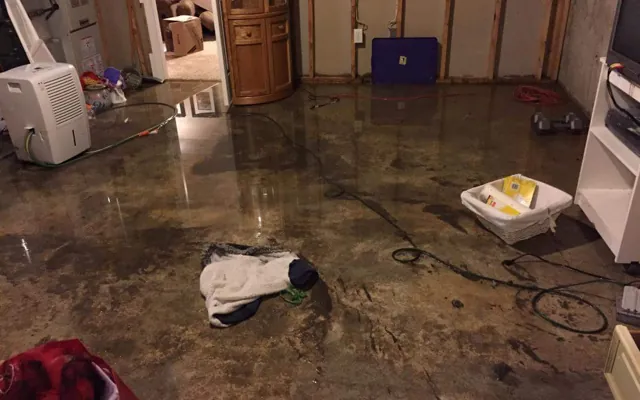
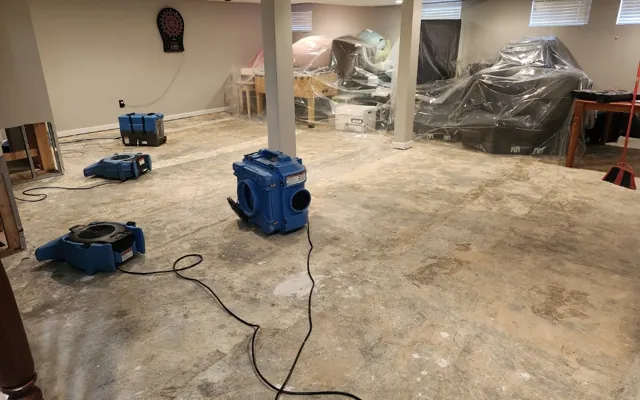
When a water heater leaks in Kiawah Island, SC, local crews provide rapid response. They follow IICRC-standard methods for extraction and drying to protect a home's structure from the damaging effects of lingering moisture.

Technicians first shut off the water supply to the leaking heater. They then classify the water and map its spread, carefully checking adjoining rooms and the elevated crawlspace common to homes in the area.
Using powerful extractors, the crew pulls all standing water from the floor. They also work to remove absorbed moisture from baseboards, flooring materials, and the subfloor to prepare the area for drying.
Industrial air movers and dehumidifiers are placed to dry walls, framing, and remaining flooring. The team monitors moisture levels until the structure meets a verified dry standard before any restoration begins.

Water heater leak cleanup in Kiawah Island generally runs about $1,000 to $4,000, depending on how much water escaped, how far it spread, whether it soaked a crawlspace below, and how much material has to be dried or replaced. Replacing the heater itself is separate. A sudden tank rupture is usually a covered homeowner claim, and the loss is documented for the adjuster.
On a barrier island like Kiawah Island, SC, many homes are high-value and see seasonal vacancy. A water heater leak in an unoccupied vacation home can spread undetected, reaching floors, walls, and the crawlspace below before it is ever noticed, leading to significant structural risk. The humid, coastal climate in Kiawah Island, SC, contributes to system wear. More critically, the seasonal nature of many residences means a minor drip can become a major, hidden problem during off-season periods when no one is present to see it. From Kiawah Island, crews also cover nearby Goose Creek, Hanahan, Folly Beach, Isle of Palms, Johns Island, Park Circle. See every neighborhood and town on the full service area page.
See all areas servedEvery loss is photographed, measured, and logged from the first visit, so the paperwork holds up with your insurance carrier.
Technicians follow recognized IICRC drying standards and prove the work with daily moisture readings, not guesswork.
Emergency dispatch any hour of the day or night, with a real crew on the way, not a callback in the morning.
A real crew dispatched any hour, not a callback in the morning.
Trained technicians following recognized IICRC drying standards.
Truck-mounted, portable, and submersible for any size loss.
The loss is documented and billed to the carrier directly.
A sudden, accidental discharge like a tank rupture is typically a covered loss. Local crews document the damage thoroughly for the insurance adjuster. The cleanup cost, which can range widely based on spread and materials affected, is often part of the claim, while the heater replacement is separate.
Drying times depend on how long the leak went unnoticed and the materials involved. In the humid Kiawah Island climate, a typical job may take three to five days of continuous drying with professional equipment to reach the verified dry standard required for rebuilding.
Crews are on call 24 hours a day and can be on the way to Kiawah Island within the hour.
Call (843) 701-9240