When water is standing in a Charleston home, every hour it sits costs flooring and drywall. Local crews respond around the clock with truck-mounted and submersible units and reach most Lowcountry addresses in about an hour, working to IICRC standards.

The crew traces the source, classifies the water, and maps how far it traveled with moisture meters and thermal imaging before any equipment is staged.
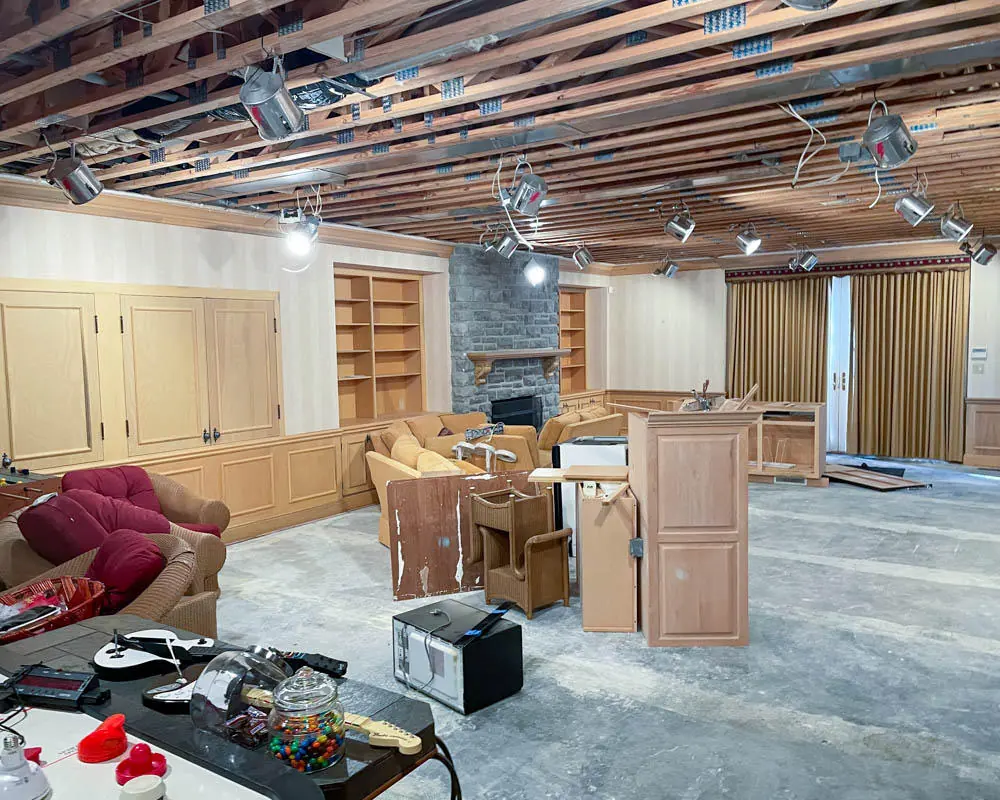
Truck-mounted extractors and submersible pumps pull standing water fast, from first floors, garages, and crawlspaces, down to a damp surface.
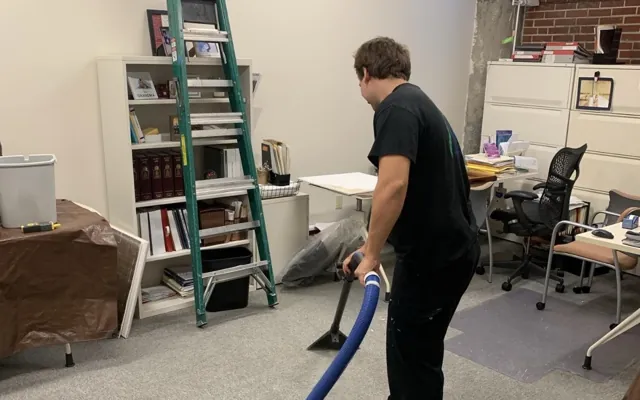
Weighted wands and carpet tools pull absorbed water from padding, subfloor, and cavities the standing water reached but the eye cannot see.
Air movers and dehumidifiers are placed and logged so drying starts the moment the last of the standing water is gone.

While help is on the way, these first steps, done only where it is safe, limit the damage and protect the insurance claim.
Shut the supply off at the source, or close the home's main valve if the source is not obvious. Stopping the flow limits the damage more than anything else.
Switch off electricity to the affected area, but only if the breaker can be reached without standing in or touching the water.
Get a crew dispatched right away. The sooner extraction and drying begin, the more flooring, drywall, and belongings can be saved.
Take photos and a short video of the water and the affected rooms before anything is moved, so the insurance claim starts strong.
Emergency water extraction in Charleston typically runs about $450 to $1,800 on its own, depending on how much water is standing, how far it spread, and how tight the access is in a crawlspace or historic home. Larger storm or tidal losses that need pumps and multiple crew members cost more. Most sudden losses are a covered insurance claim, and moisture readings and photos are prepared for the adjuster.
Crews reach Charleston and the Lowcountry fast, from the peninsula and Wagener Terrace to West Ashley, James Island, and Johns Island, plus nearby Mount Pleasant, North Charleston, and the barrier islands. See the full list on the areas served across Charleston page.
See all areas servedEvery loss is photographed, measured, and logged from the first visit, so the paperwork holds up with your insurance carrier.
Technicians follow recognized IICRC drying standards and prove the work with daily moisture readings, not guesswork.
Emergency dispatch any hour of the day or night, with a real crew on the way, not a callback in the morning.
A real crew dispatched any hour, not a callback in the morning.
Trained technicians following recognized IICRC drying standards.
Truck-mounted, portable, and submersible for any size loss.
The loss is documented and billed to the carrier directly.
Lines are open 24/7 and crews reach most Charleston-area addresses in about an hour. During a hurricane or a widespread king-tide event, demand spikes across the Lowcountry, so calling the moment water appears gets a crew to you sooner.
Yes. Most Charleston homes sit on raised or crawlspace foundations, and submersible pumps and specialized extractors are used to clear water from under the house, then dehumidifiers dry the framing and subfloor so moisture does not rot the structure or feed mold.
Not always. Heart-pine and hardwood can often be dried in place if extraction starts quickly, before the boards cup badly. The crew measures moisture in the wood daily and adjusts drying to save the floor whenever the numbers allow.
Sudden internal water, like a burst pipe, is usually covered by a homeowner policy. Water that enters from outside during a storm surge or flood is generally covered only under a separate flood policy. The loss is documented either way so you can submit a full claim.
Charleston crews are on call 24 hours a day, local and fast, and can be on the way within the hour.
Call (843) 701-9240