An accidental fire sprinkler discharge floods a space with high-volume water fast. Charleston crews extract it and dry the structure and contents, responding 24/7 and reaching most Lowcountry properties in about an hour, working to IICRC standards.

With the system shut off, the crew classifies the water and maps how far the high-volume discharge spread across floors and into levels below.
Truck-mounted and portable extractors pull the large volume of water fast from floors, ceilings, and contents.
Air movers and dehumidifiers dry the flooring, drywall, ceilings, and contents to a moisture-verified target.
Soaked materials that cannot be dried are restored once the area reads dry, coordinating with any needed system repair.

While help is on the way, these first steps, done only where it is safe, limit the damage and protect the insurance claim.
Shut the supply off at the source, or close the home's main valve if the source is not obvious. Stopping the flow limits the damage more than anything else.
Switch off electricity to the affected area, but only if the breaker can be reached without standing in or touching the water.
Get a crew dispatched right away. The sooner extraction and drying begin, the more flooring, drywall, and belongings can be saved.
Take photos and a short video of the water and the affected rooms before anything is moved, so the insurance claim starts strong.
Fire sprinkler discharge cleanup in Charleston generally runs about $1,500 to $7,000 or more, depending on how long the head ran, how far the high-volume water spread, whether it reached levels below, and how much structure and contents have to be dried or replaced. Sudden accidental discharges are often a covered claim, and the loss is documented for the adjuster.
Crews reach Charleston and the Lowcountry fast, from the peninsula and Wagener Terrace to West Ashley, James Island, and Johns Island, plus nearby Mount Pleasant, North Charleston, and the barrier islands. See the full list on the areas served across Charleston page.
See all areas servedEvery loss is photographed, measured, and logged from the first visit, so the paperwork holds up with your insurance carrier.
Technicians follow recognized IICRC drying standards and prove the work with daily moisture readings, not guesswork.
Emergency dispatch any hour of the day or night, with a real crew on the way, not a callback in the morning.
A real crew dispatched any hour, not a callback in the morning.
Trained technicians following recognized IICRC drying standards.
Truck-mounted, portable, and submersible for any size loss.
The loss is documented and billed to the carrier directly.
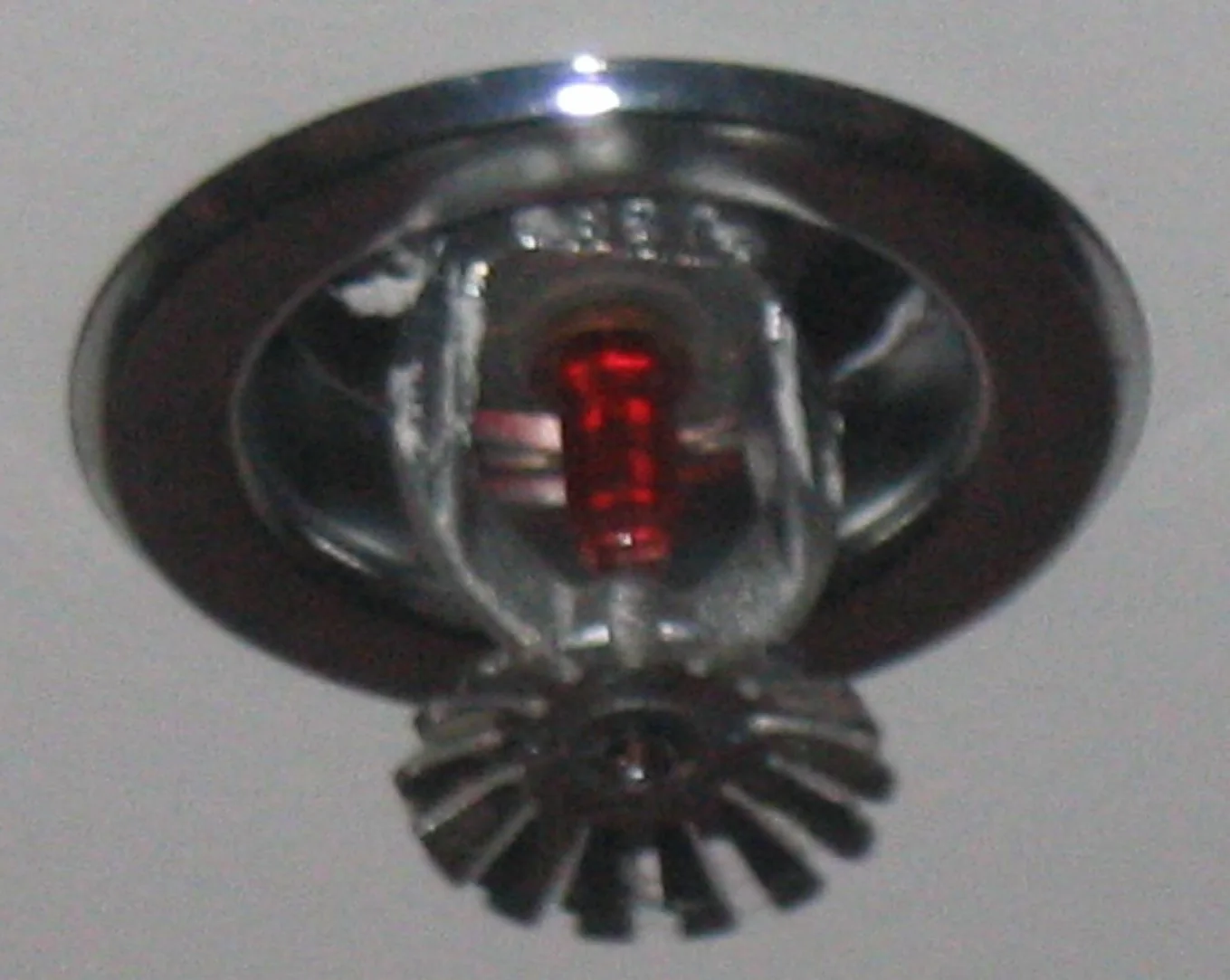
A damaged or knocked head, corrosion inside an aging system, a system fault, or a frozen line during a rare hard freeze can all set off a sprinkler with no fire. Whatever the cause, the discharge releases high-volume water quickly and needs fast extraction and drying.
A single activated head can discharge dozens of gallons per minute until the system is shut off, so even a few minutes floods a space. That is why the priority is shutting the system down, then extracting the large volume before it spreads to levels below.
Sudden accidental discharges and the resulting water damage are typically covered under homeowner or commercial property policies. The loss is documented in full, with photos and moisture readings, so the claim to the carrier is well supported.
Many can, if drying starts quickly. Non-porous items and many furnishings dry well, while heavily saturated porous items may not. The crew extracts the water, dries and protects the contents, and restores the structure once it reads dry.
Charleston crews are on call 24 hours a day, local and fast, and can be on the way within the hour.
Call (843) 701-9240