When water gets under a home in Harleston Village, SC, quick extraction and drying are critical to protect historic floors and framing. Local crews respond fast to crawlspace floods, following IICRC-standard methods to control moisture and prevent mold.

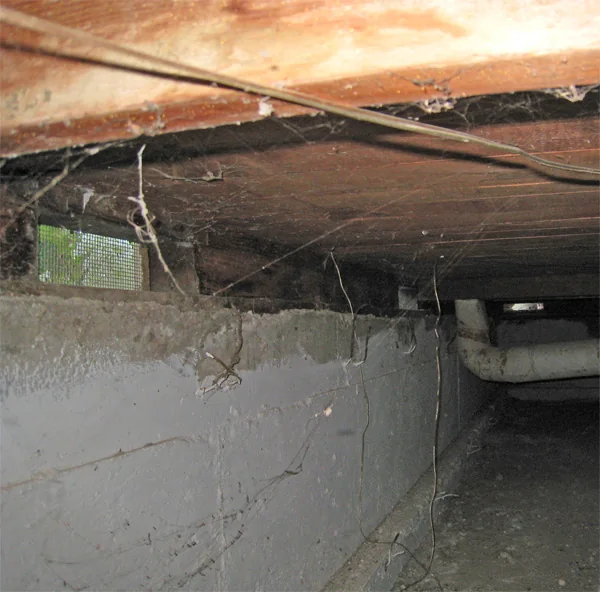
Technicians assess the standing water, check the vapor barrier condition, and examine the framing in the tight crawlspace. They determine if the intrusion came from groundwater, a plumbing leak, or storm-driven flooding to plan the correct response.
Using submersible pumps and extractors, the crew removes all standing water down to a damp surface. They also clear out any saturated debris from the space to prepare for the drying phase.
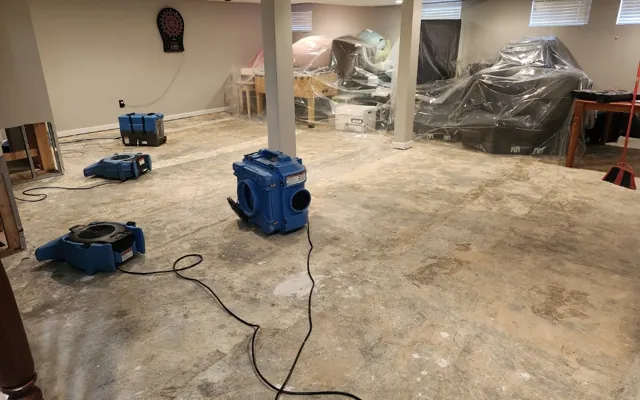
Industrial air movers and dehumidifiers are positioned to dry joists, subflooring, and the soil surface. The team monitors progress until moisture levels meet a verified target, controlling the humidity that can lead to mold growth.

Crawlspace water removal in Harleston Village typically runs about $1,000 to $5,000, depending on how much water is standing, how tight the access is, how much framing has to be dried and treated, and whether a vapor barrier needs replacing. Recurring groundwater problems that call for added drainage cost more. When the water came from a sudden covered event, the loss is documented for the adjuster.
Harleston Village's historic homes sit on some of downtown Charleston's lowest blocks, where seasonal king tides and heavy rains can push groundwater up into crawlspaces. That moisture threatens the original heart-pine floors and plaster walls that define these pre-1900 structures, making timely water removal essential for preservation. The combination of low elevation, a high water table, and historic foundations makes crawlspace water intrusion a common issue in Harleston Village. Spring tides and coastal storms frequently flood streets, which can lead to groundwater seeping into these tight, vulnerable spaces. From Harleston Village, crews also cover nearby Ansonborough, Charleston Peninsula, Wagener Terrace, Avondale, James Island, West Ashley. See every neighborhood and town on the full service area page.
See all areas servedEvery loss is photographed, measured, and logged from the first visit, so the paperwork holds up with your insurance carrier.
Technicians follow recognized IICRC drying standards and prove the work with daily moisture readings, not guesswork.
Emergency dispatch any hour of the day or night, with a real crew on the way, not a callback in the morning.
A real crew dispatched any hour, not a callback in the morning.
Trained technicians following recognized IICRC drying standards.
Truck-mounted, portable, and submersible for any size loss.
The loss is documented and billed to the carrier directly.
In the Charleston area, costs typically range from about $1,000 to $5,000. The final price depends on the amount of standing water, the tightness of the access, how much framing requires drying, and whether the vapor barrier needs replacement. More complex, recurring groundwater issues cost more.
Local crews document the entire loss, from the source of the water to the moisture readings and restoration steps. This detailed report is provided to the homeowner for their insurance adjuster to support a claim for sudden, covered events like storm intrusion.
Crews are on call 24 hours a day and can be on the way to Harleston Village within the hour.
Call (843) 701-9240